


Friends
This month we begin by congratulating the see-judge-act movement, Young People for Development (YPD) on 23 years of working with young people and refugees from remote areas in Thailand and Myanmar (image above).
We also share an important article by lay theologian Rafael Luciani on Vatican II and synodality.
We learn how the jocist-inspired Mondragon cooperatives in Spain are attracting new attention.
We hear of actions by the YCS in Burkina Faso and the YCW in Philippines.
From Australia, we share news of a webinar to commemorate the centenary of the birth of radical thinker and Catholic priest, Ivan Illich.
Plus we have a video from Indian priest Fr Charles Anthonyswamy on the role of the see judge act in Asian theology.
From a historical point of view, we share an article highlighting the role of jocist leaders in the World War II Resistance in Belgium.
The Centre International Cardijn Team
Leo’s twin tasks: Vatican II and synodality
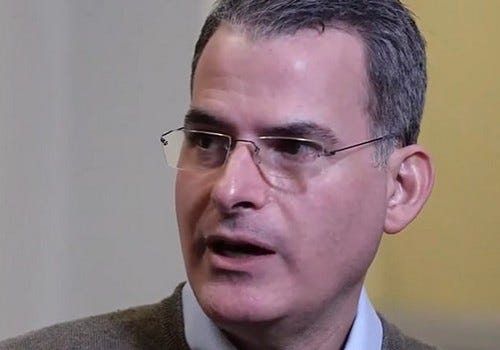
Pope Francis devoted his 12-year pontificate to recovering synodality as a constitutive dimension of the church, rooted in the church’s long historical tradition and matured by the reception of the Second Vatican Council’s ecclesiology of the people of God, writes Rafael Luciani.
Pope Leo XIV appears to be increasingly focused on translating that vision into permanent forms of governance, participation and shared discernment through collegial decision-making bodies, particularly through organisms of participation such as pastoral councils.
This approach is significant since the fundamental question the Catholic Church faces today is no longer whether synodality matters, but how it is received and implemented as a constitutive mark of the whole church’s life.
READ MORE
Why Vatican II and synodality are the twin tasks of Leo’s papacy (National Catholic Reporter)
La JEC de Burkina Faso s’organise
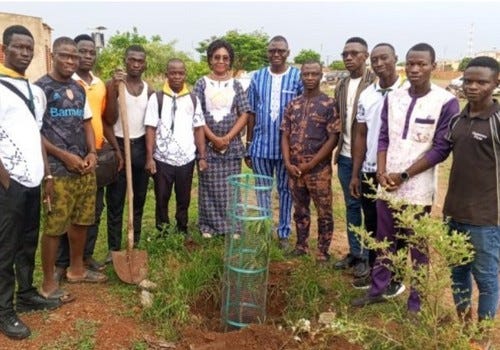
À l’occasion de ses journées atypiques organisées les 27 et 28 juin 2026, la cellule SEG de la Jeunesse étudiante catholique (JEC) de l’université Norbert Zongo de Koudougou a posé un geste en faveur de l’environnement. Avec l’appui de sa marraine, Maïmouna C. Marie-Ange Sabine Traoré épouse Yé, des plants fruitiers ont été mis en terre dans la cour de l’aumônerie de la paroisse universitaire, en écho au Mois de l’arbre institué par le gouvernement.
Dans le cadre de ses activités annuelles dénommées « Journées atypiques JEC », la cellule SEG de la Jeunesse étudiante catholique (JEC) de l’université Norbert Zongo de Koudougou a organisé, les 27 et 28 juin 2026, une série d’activités placées sous le signe de la fraternité, de la foi et de l’engagement citoyen.
EN SAVOIR PLUS
Koudougou : La JEC-SEG clôt ses journées atypiques par une plantation d’arbres (Le Faso)
Mondragon model inspires Spanish government
Spain just told its biggest companies to hand workers a seat at the table, writes Jessica Friday.
This new blueprint, backed by constitutional law, developed by an international panel of experts, was delivered to the government in February.
Here’s what it calls for:
Firms with 50 to 1,000 employees give workers a third of board seats.
Firms with over 1,000 employees give workers half.
Worker share ownership becomes mandatory, starting at 2%.
A sovereign wealth fund helps workers buy out owners when they retire, solving a succession crisis that’s quietly putting 600,000 jobs a year at risk.
READ MORE
Spain’s fight to end corporate rule (Connectioning)
Labor backs co-op sector growth
Webinar: Ivan Illich Centenary
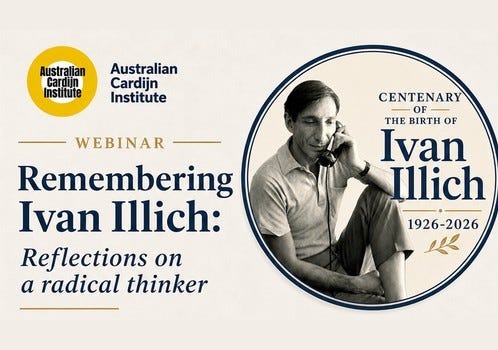
2026 marks 100 years since the birth on 4 September 1926 of Ivan Illich, one of the 20th century’s most provocative critics of modern institutions, from schooling to industrial healthcare.
To mark the occasion, the Australian Cardijn Institute is hosting a webinar on Tuesday 15 September at 11am CET, with Dr Rose Calabretta, who met Illich as a student participating in his Graduate Course at Fordham University, New York, in 1970.
She will reflect with us on his thought and teaching based on her personal and professional experience as a sociologist and theologian.
FULL DETAILS
Webinar: Remembering Ivan Illich: 1926-2026 (Australian Cardijn Institute)
Le voir juger agir et la théologie asiatique: Père Charles Anthonyswamy
L’Eglise du Christ, n’est pas seulement constituée de bâtiments et de dogmes, mais de tout le peuple de Dieu, dans chaque lieu et dans chaque culture. Le père Charles Anthonyswamy est prêtre du diocèse de de l’archidiocèse de Madras-Mylapore dans le Tamil Nadu au Sud de l’Inde.
Il nous explique comment le patrimoine religieux et culturel de l’Asie modèle la façon dont les fidèles vivent leur foi aujourd’hui sur ce continent.
A partir de 27:00 minutes il explique le rôle du cercle pastorale ou le voir juger agir.
WATCH IN ENGLISH
To listen in English open the video in Google Chrome browser.
Enrique Angelelli, Carlos Murias, Gabriel Longueville & Wenceslao Pedernera: 50 years

The Argentine Diocese of La Rioja is commemorating the 50th anniversary of its martyred bishop, Blessed Enrique Angelelli, who was killed on 5 August 1976, and his companions, Franciscan Carlos Murias, French worker priest Gabriel Longueville and lay catechist Wenceslao Pedernera.
As a young priest, Enrique Angelelli helped found the JOC (YCW) and (JUC) (University YCS) in the Diocese of Cordoba while Fr Longueville was chaplain to the JAC (rural YCW movement) as did Wenceslao Pedernera.
READ MORE
Blessed Enrique Angelelli, 50 years
Le rôle de la JOC belge dans la Résistance
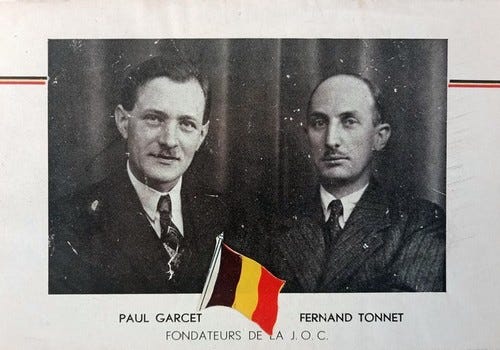
En 1942, après les défaites allemandes de Bir Hakeim et Stalingrad, le Reich doit mobiliser toujours davantage de main-d’œuvre afin de soutenir son effort de guerre. L’Allemagne doit envoyer toujours plus d’hommes sur le front mais manque de force de travail sur son territoire. Elle se tourne alors vers les territoires occupés. La Belgique occupée, avec sa main-d’œuvre industrielle particulièrement qualifiée, devient une source importante de recrutement.
À la fin de l’année 1942, environ 375.000 travailleurs belges travaillent en Allemagne. Une partie de la population, jusque-là encore largement attentiste, se retrouver directement impactée par la guerre. Certains décident de contourner ce service de travail obligatoire et de se cacher.
En Belgique, des structures apparaissent. Parmi elles, la Jeunesse ouvrière chrétienne, qui dispose d’un réseau très dense à travers le pays. Le Front de l’indépendance, d’inspiration communiste, joue lui aussi un rôle central dans cette aide. Le gouvernement britannique commence alors ses opérations de financement de la Résistance.
ÉCOUTEZ LE PODCAST
Seconde Guerre mondiale : comment des collabos ont financé la Résistance en Belgique (RTBF)
Les mouvements de jeunesse au Québec
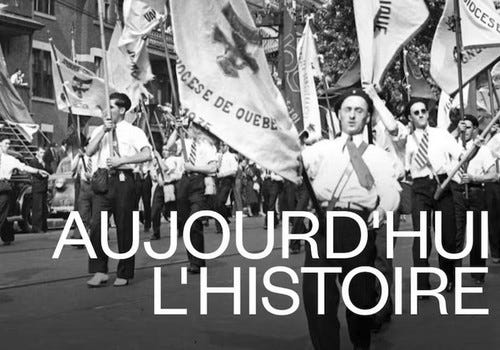
À partir des années 1930, les membres des mouvements de jeunesse catholique pullulaient au Québec. Catherine Foisy, professeure en sciences des religions, explique comment ces mouvements ont milité en faveur de la dignité humaine, ont dénoncé les injustices économiques et ont participé activement à la Révolution tranquille.
Les mouvements de jeunesse catholique ont leurs origines en Belgique. “Ça s’inscrit dans tout le courant de la doctrine sociale de l’Église, explique Catherine Foisy. Par leur foi religieuse, ils étaient appelés aussi à transformer le monde.”
ÉCOUTEZ LE PODCAST
Les mouvements de jeunesse catholique : la foi pour changer la société (Radio Canada)
YCW Philippines defends just wages
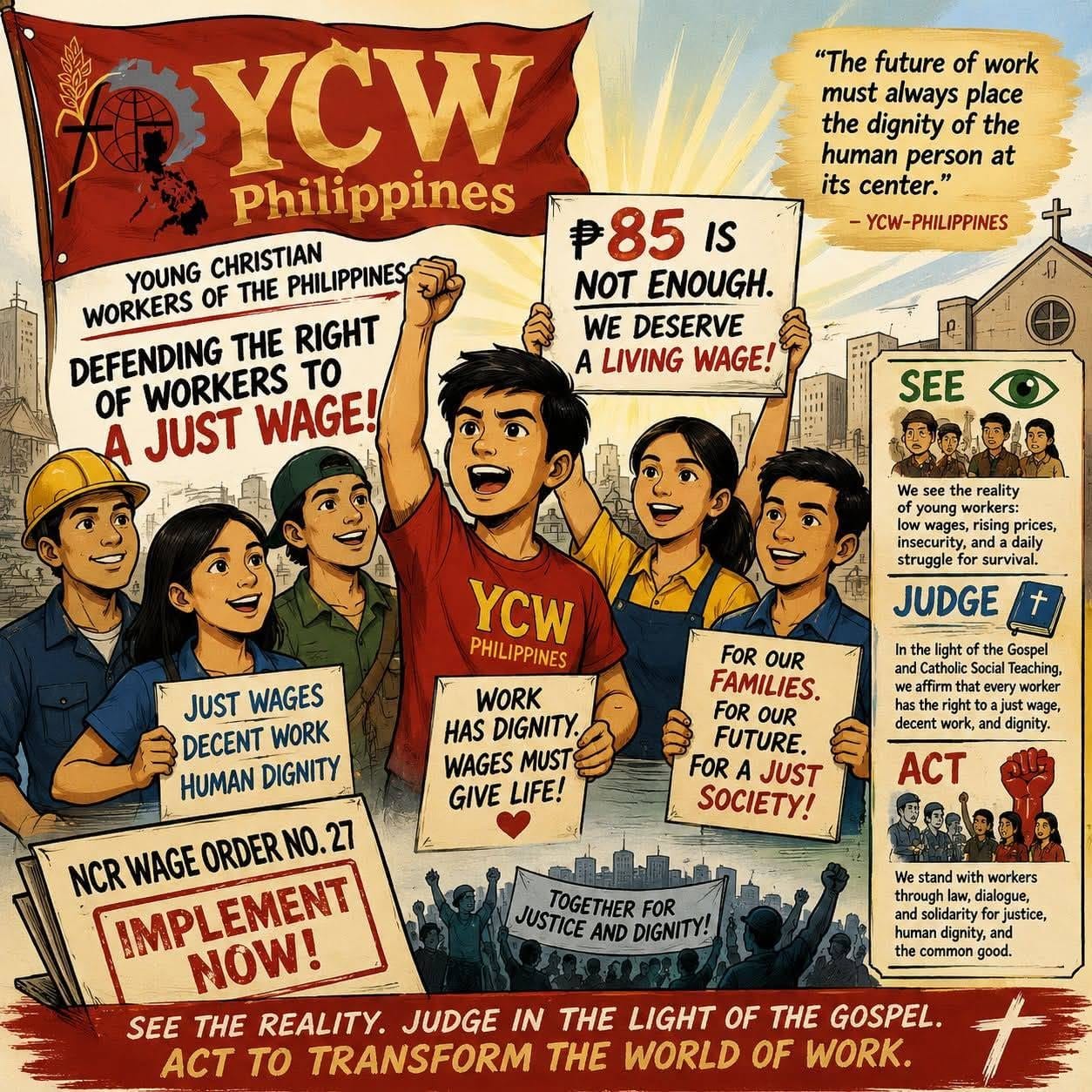
The Young Christian Workers of the Philippines (YCWP) expresses its deep concern over the petition seeking to restrain the implementation of NCR Wage Order No. 27, which grants an ₱85 wage increase to minimum wage earners in the National Capital Region.
As a movement of young workers formed through the See–Judge–Act method and inspired by the Gospel and Catholic Social Teaching, we believe that this case is not merely about legal procedures or economic policy. It concerns the dignity of workers, the welfare of their families, and the right of every person to live and work with hope.
READ MORE
Defending Just Wage: Petition (IYCW Aspac)
Join the Centre International Cardijn

Membership form here: