

Friends
In this issue, we announce a pilgrimage to Rome and seminar program at the Gregorian University in May 2027 to mark the 60th anniversary of the death of Joseph Cardijn (logo above).
International YCS secretary general Roshan Lobo reflects on the future of the movement as it celebrates the 80th anniversary of its foundation in Paris in 1946.
IYCW Asia-Pacific share the struggles of young platform workers in Thailand while Richard Pütz warns of new forms of technology-inspired slavery.
From Peru, we have news of a synodal assembly of lay movements. Stefan Gigacz recalls the importance of representation of lay movements in the Church.
And he presents his reflections on the loss of property by the YCW (and other movements) over the decades.
Pope Leo echoes Cardijn calling on us to act like a leaven or yeast in the world.
We remember Blessed Enrique Angelelli and the martyrs of La Rioja.
The Centre International Cardijn Team
Cardijn Pilgrimage and Lay Apostolate Jubilee 2027
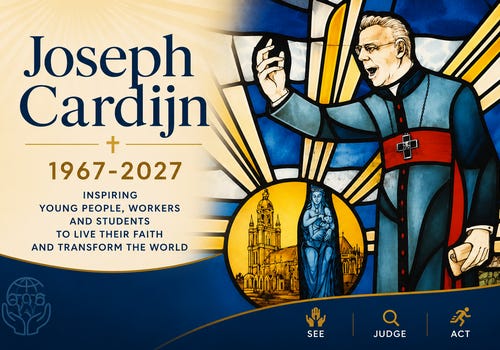
The year 2027 marks a historic convergence of anniversaries that shaped the modern Church’s understanding of the lay vocation. Most notably, it marks the 60th anniversary of the passing of Cardinal Joseph Cardijn—founder of the Young Christian Workers (YCW/JOC) and a foundational voice of Vatican II—and the centenary of Specialised Catholic Action.
To honour this legacy and propel it into the future, the Australian Cardijn Institute and international partners propose a 4-day Pilgrimage, Lecture, and Conference Program in Rome from 1-5 May 2027.
READ MORE
Cardijn pilgrimage and lay apostolate jubilee 2027
Platform workers face long hours and limited protection
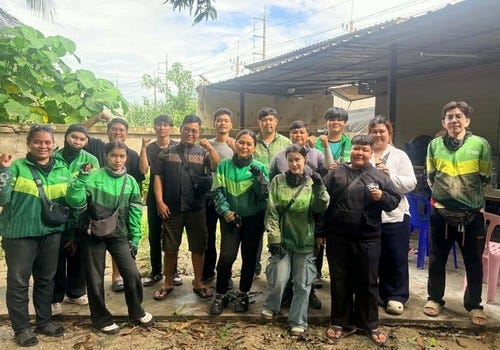
Amid limited access to decent employment and growing economic pressures, an increasing number of young people in Thailand are turning to digital platform work as a way to earn a living, IYCW Asia Pacific reports.
In the industrial area of Bo Win, Chon Buri Province, ride-hailing and food delivery services such as Grab have become an important source of income for workers who struggle to secure stable employment or need additional earnings. While platform work offers flexibility, it also presents significant challenges, including unstable income, long working hours, and limited access to social protection.
These findings are based on discussions with members of the Grab Bo Win Riders community conducted during an International Young Christian Workers (IYCW) Asia-Pacific (ASPAC) field visit to Thailand.
READ MORE
Long Hours and Limited Protection: The Reality of Platform Workers in Bo Win, Thailand (IYCW Aspac)
Peru lay movements meet in synodal assembly
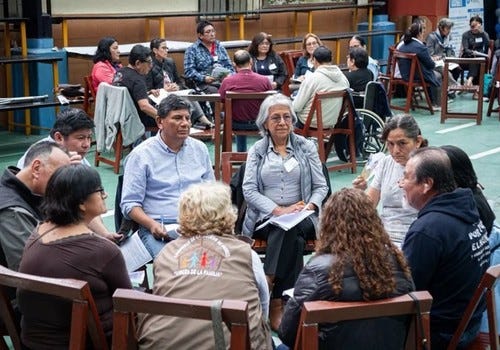
The lay movements of the Archdiocese of Lima, Peru joyfully celebrated their Synodal Assembly as a sign of commitment and renewal toward a Church that listens, engages in dialogue, and discerns the challenges of our time, according to a local report.
The gathering brought together lay people, young people, senior citizens, pastoral agents, and priests, who reaffirmed their commitment to a diverse and synodal Church.
The day began with a presentation by Silvia Cáceres, advisor to the Episcopal Commission for Youth and Laity and general secretary of Caritas Lima as well as Pax Romana ICMICA vice-president for Latin America, who reflected on the role of the laity in the life of the Church and their commitment to social reality.
READ MORE
Lima lay movements in synodal assembly
Train our vision to discern good and act like yeast: Leo
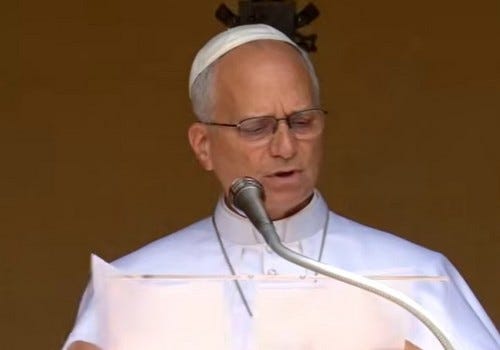
In his Angelus message on Sunday 19 July, Pope Leo encouraged Christians to train our vision to discern good from evil, and to learn God’s way of acting like yeast in flour.
“The Kingdom of God spreads even amidst the weeds, requiring us to train our vision,” Pope Leo said, “so we can discern the good that sprouts despite the darkness of evil, and avoiding rash judgments.
“It comes like the smallest of seeds and thus calls for patience in accompanying these processes, so that we can recognize it in the little things of daily life and in the simplicity of ordinary existence. It grows invisibly like yeast in flour, and so we are freed from discouragement and invited to have faith even when it seems that God is absent.”
READ MORE
Train vision to discern good and act like yeast: Leo
IYCS celebrates 80 years
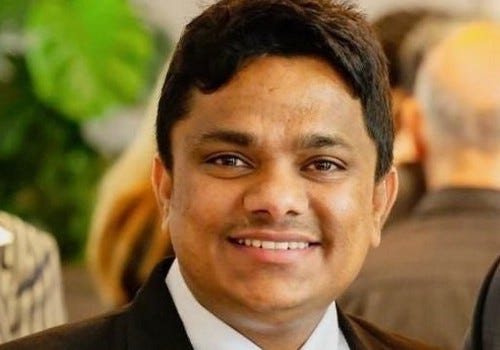
Today, we gather to celebrate the 80th Anniversary of the International Coordination of IYCS, Roshan Lobo, secretary general of the movement noted. As we commemorate this remarkable milestone, we also look forward to another historic celebration, the Centenary of the Young Catholic Students Movement in 2028, marking 100 years since its foundation.
The dream and vision of the early student leaders gave birth to this movement. The establishment of the International YCS Centre for Documentation and Information in Paris, the International Secretariat, and later, in the early 1970s, the Regional Coordinations strengthened the movement across the world. These developments have formed generations of leaders rooted in faith, values, commitment, and service.
READ MORE
We are here to build the future of YCS (Cardijn Associates USA)
What slavery’s technology teaches us today
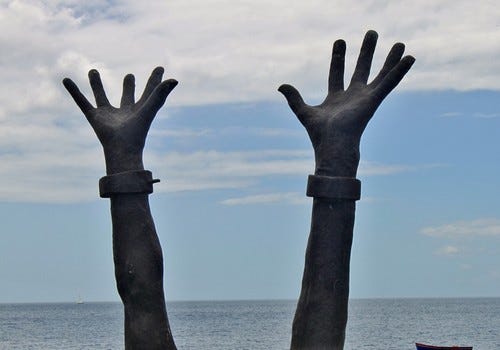
There is a temptation, when we study history, to place ourselves safely on the correct side of it, writes Richard Pütz. We read about slavery and think: I would never have done that. I would have known better. But history does not offer us that comfort so easily.
The dynamics that shaped American slavery — the way technology concentrated wealth while multiplying the vulnerability of the most powerless — are not buried in the past. They are running on our phones. They are embedded in the algorithm that rates your delivery driver. They are built into the supply chain that made the shirt on your back. That is the thesis of this reflection: the same patterns that enabled slavery still shape how technology distributes power today.
This is not an argument that today’s injustices are identical to slavery. They are not, and the distinction matters. But the pattern — the way technology is wielded to extract maximum value from the bodies of the most marginalized — demands our attention. That is the question this reflection asks us to face.
READ MORE
The machine and the margin: What slavery’s technology teaches us about today (Cardijn Reflections)
Remembering the martyrs of La Rioja
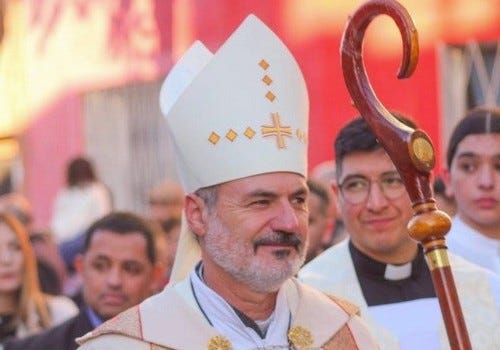
This year, 2026, the Church of La Rioja commemorates the 50th anniversary of the martyrdom of YCW and YCS chaplain Blessed Enrique Angelelli, Carlos de Dios Murias, Gabriel Longueville, and Wenceslao Pedernera, four witnesses of the faith murdered in 1976 during the Argentine military dictatorship, Vatican News reports.
The diocese has declared this year a Diocesan Jubilee Year, under the motto “Easter in La Rioja, joy of the people,” as a time of grateful remembrance, prayer, pilgrimage, and renewal of Christian commitment.
In this context, Bishop Dante Braida of La Rioja shared a reflection on the meaning of this commemoration and on the legacy that the martyrs continue to offer to the Church and society.
READ MORE
Remembering the martyrs of La Rioja
Serving, educating and representing lay people in the Church
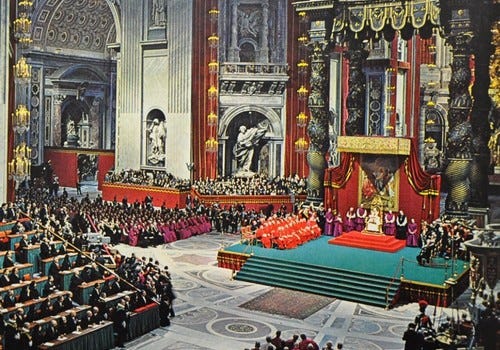
“Educate, serve and represent” was one of Cardijn’s most famous trilogies. It was based on what theologians have labeled the “tria munera,” namely Christ’s “three roles” as prophet, king and priest, in which Christians share by virtue of their baptism.
He often drew on this trilogy to characterise the role of the YCW and young workers in educating, serving and representing their fellow young workers.
As the famous YCW pilgrimage to Rome in August 1957 by 32,000 young workers illustrated, this included the need for the movement to “represent” young workers not just outside but also within the Church.
READ MORE
Serving, educating and representing lay people in the Church (Synodal Reflections)
Lost properties of the YCW
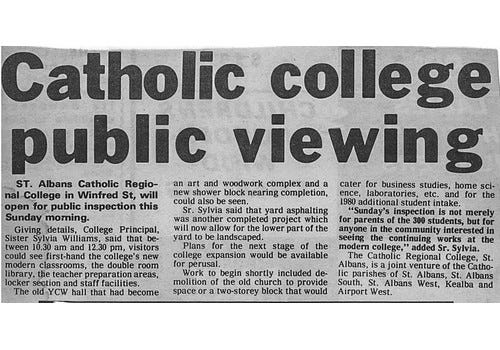
Working for the Young Christian Workers (YCW) in Australia and internationally during the 1980s and 1990s gave me the opportunity to visit twenty countries across Asia, the Pacific, Europe, Africa, and the Americas, writes Stefan Gigacz.
In many of those places, YCW leaders and alumni told me the same troubling story: properties – offices, campsites, training centers – that had once belonged to the movement had simply disappeared from their hands.
Stefan Gigacz, Lost properties of the YCW (Cardijn Research)
Join the Centre International Cardijn

Membership form here: