

Friends,
Preparations are progressing for our Cardijn Pilgrimage and Lay Apostolate Jubilee Conference in Rome next May.
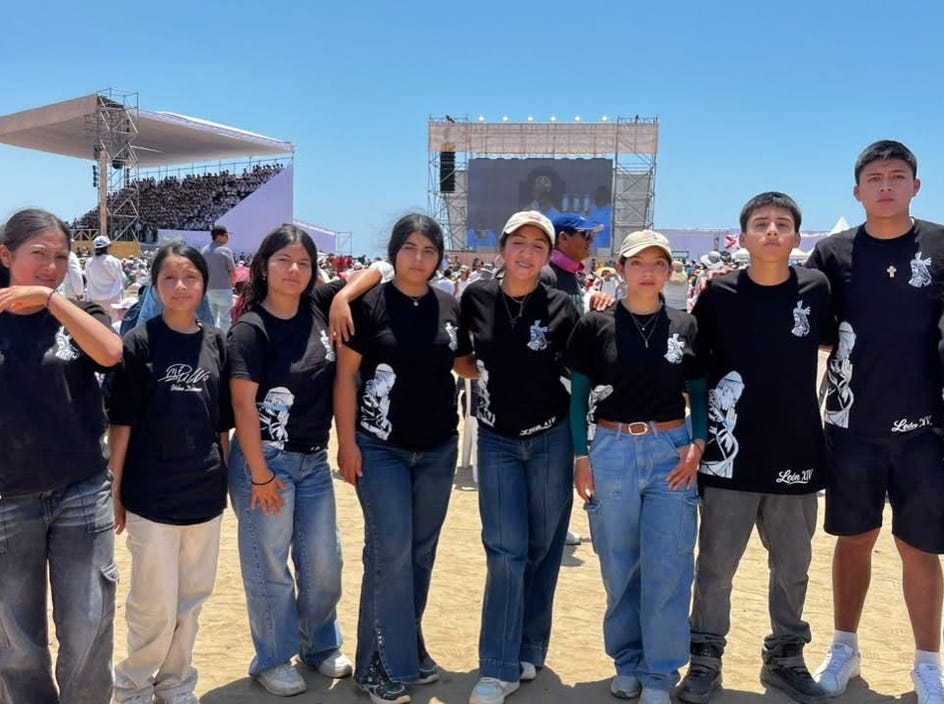
With Pope Leo just back from Latin America (see photo above), we share Claudio Remeseira’s background to the trip and explanation of the Argentine origins of synodality. We also note Pope Leo’s emphasis that the economy must serve the human person.
We also present the video of the recent IYCW International Council in Manila, Philippines as well as a letter sent on behalf of the pope to the gathering.
From Quebec, we now have an English version of the recent documentary on the history of the JOC.
From the US, we learn of another Cardijn disciple, Fr John McKniff, now on the sainthood path while David Inczauskis reflects on the ongoing importance of liberation theology.
Stefan Gigacz reflects on the influence of St Francis on Cardijn while Richard Pütz remembers Cardijn pulling a coal cart in his home town of Laeken.
The Centre International Cardijn Team
Cardijn Pilgrimage and Conference, Rome, 1-4 May 2027
Less than six months to go until our Cardijn Pilgrimage and Conference in Rome from 1-4 May 2027.
The International Young Catholic Students (IYCS) is organising its alumni gathering to coincide with the pilgrimage.
The Fondazione Internazionale Don Luigi Di Liegro has also joined us as a partner.
To date, more than 70 people have pre-registered.
A Call for Papers is now available on the pilgrimage website.
MORE DETAILS
Cardijn Pilgrimage and Lay Apostolate Jubilee 2027
Fourth World Meeting of Former YCS Members
Economy must serve the person: Pope Leo
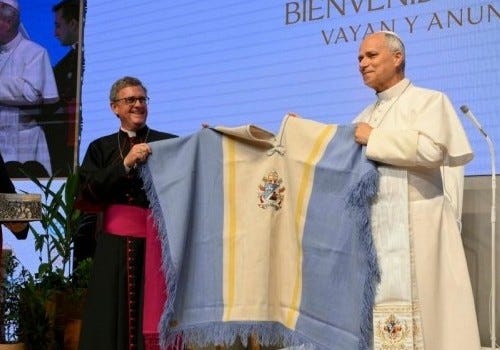
Addressing representatives of social movements and the world of labour in a speech at the Catholic University of Argentina, Pope Leo insisted that the economy must be at the service of the person, and not the person at the service of the economy.
“All work, and every aspect of the work community, must always bear this distinctive mark: it must be carried out by people, who bring all their potential to bear, and it must likewise be directed toward the full development of those who perform it,” Pope Leo said. “Here we encounter the first and most fundamental of the principles of the Church’s Social Doctrine: the dignity of the human person. The human person is the author, the centre and the goal of all economic and social life.”
READ MORE
Economy must serve the person: Pope Leo
The jocist roots of Vatican II and synodality in Argentina
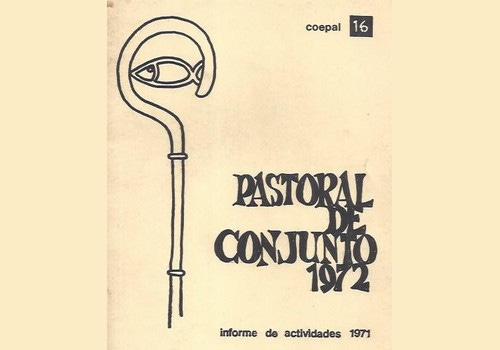
The reception of Vatican II in Argentina is inextricably linked to the history of COEPAL (Episcopal Commission for Pastoral Care), a body created in 1967 by the national Conference of Bishops to apply the conclusions of the ecumenical Council to the Argentine Church. Initially, it was supposed to be composed exclusively of bishops.
From the outset, however, and in the spirit of the Second Vatican Council, the Argentine bishops sought to include representatives of the secular clergy, religious orders, and laity — both men and women. This inclusion was groundbreaking for the time — not just in Argentina, but worldwide.
This collegial — today we would call it synodal — spirit was described by Fr. Gerardo Farrell, COEPAL’s coordinating secretary, as follows: “In close collaboration, bishops … representatives of religious men and women, lay people, and periti engaged in extensive dialogue, consultation, planning, and execution.”
This parity among clerics and lay people (and between men and women, who were well represented among regular clergy and laity) went beyond the practices of the Council itself, where only bishops held the right to vote, and foreshadowed the Synod on Synodality’s voting system nearly sixty years in advance.
READ MORE
Claudio Remeseira, Synodality avant la lettre: Argentina’s Pastoral Roots (Where Peter Is)
Claudio Remeseira, Leo in the land of Francis (Where Peter Is)
Video: IYCW World Council Manila
Pope Leo’s message to the International YCW
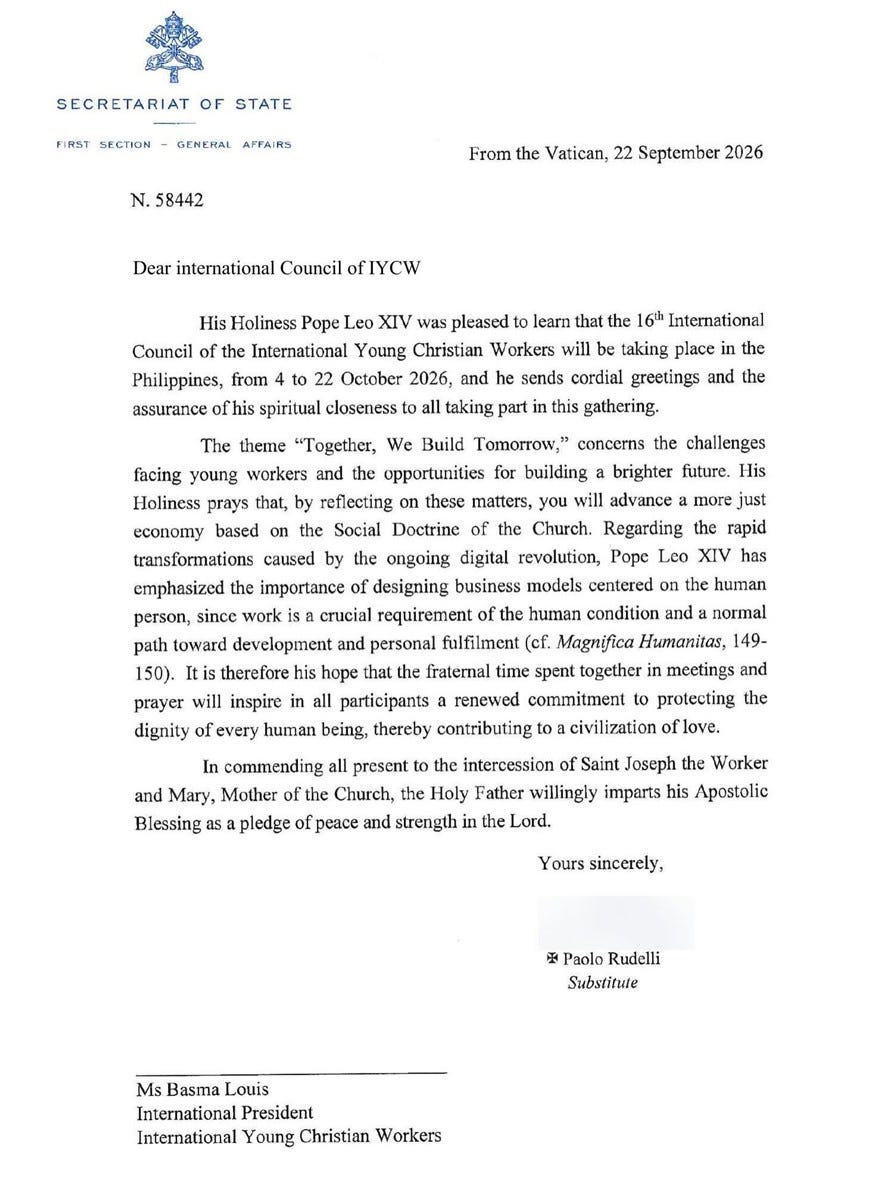
Archbishop Paolo Rudelli sent the above message to the IYCW for its recent International Council held in Manila, Philippines.
See judge act in Quebec
An edited English version of the recent documentary on the Quebec is now available.
READ MORE
Un documentaire sur la Jeunesse ouvrière catholique dans un cinéma près de chez vous! (French)
Servant of God John McKniff, jocist priest who inspired Pope Leo
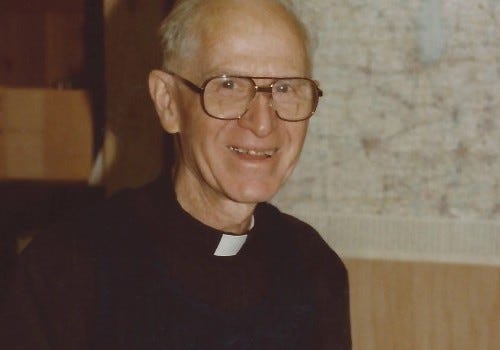
Servant of God Father John J. McKniff, O.S.A. (1905–1994) was an Augustinian missionary whose life was marked by extraordinary faith, perseverance, and love for the poor. A beloved pastor, educator, and mentor to Pope Leo XIV, Fr McKniff is remembered for his missionary zeal, deep spirituality, and unwavering commitment to the people he served.
He was a man of deep spirituality and is remembered particularly for his devoted pastoral ministry to the poor in Cuba and in Peru.
Father McKniff served most of his adult life as a missionary in Peru, Cuba and the Philippines. In Cuba, he founded YCW and Catholic Action groups. A member of the Augustinian Villanova Province, he worked closely with Augustinians of the Midwest during his years in Peru.
READ MORE
The Cause for Fr. John J. McKniff, O.S.A. (Augustinian Province of Villanova)
John J. McKniff, O.S.A., Augustinian Missionary and Pastor of the Poor (Midwest Augustinians)
Once I discovered liberation theology, I couldn’t be Catholic without it
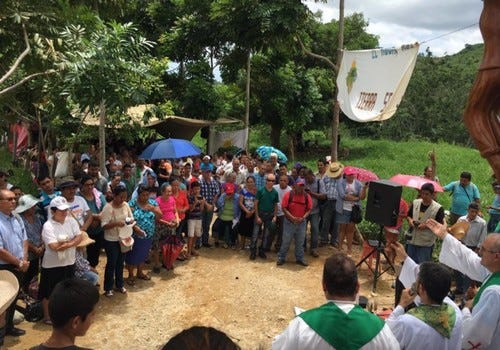
As a college student in 2011, I was searching for a faith as radical as the Gospel I was reading, writes David Inczauskis. I found it in the rural town of Chiantla in Huehuetenango, Guatemala, where I had gone to research human rights abuses against women and children. In Chiantla, a group of committed campesinos were organizing youth, women and indigenous communities on the weekdays. They were canvassing for the leftist National Revolutionary Unity party on Saturdays. And they were going to Mass on Sundays.
I had never before witnessed this seamless integration of faith and revolutionary political struggle that these people knew as “liberation theology.” But having seen it, I knew that I could no longer be a Catholic without it.
READ MORE
Once I discovered liberation theology, I couldn’t be Catholic without it (America Magazine)
St Francis, Cardijn and the prophetic periphery
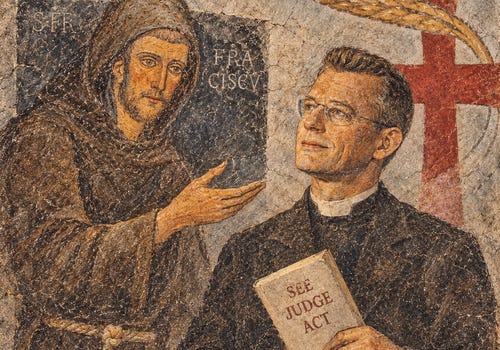
Having just completed a thirteen-day walking pilgrimage from Assisi to Rome, writes Stefan Gigacz, St Francis has naturally been at the front of my mind, particularly his underappreciated yet profound influence on Joseph Cardijn.
As Marc Walckiers observed in his 1981 doctoral study, Joseph Cardyn, Jusqu’avant la fondation de la JOC, the Poverello’s example was significant – perhaps even decisive – for Cardijn as a seminarian and young priest:
During his first year at the grand séminaire of Malines (1902–1903), Cardyn’s literary interests began shifting toward moral and spiritual development. His growing devotion to Saint Francis of Assisi and Saint Teresa of Ávila reflected his deepening focus on personal piety, asceticism, and a spiritual dedication to the poor.
READ MORE
St Francis, Cardijn and the prophetic periphery (Cardijn Research)
The coal cart in Halle
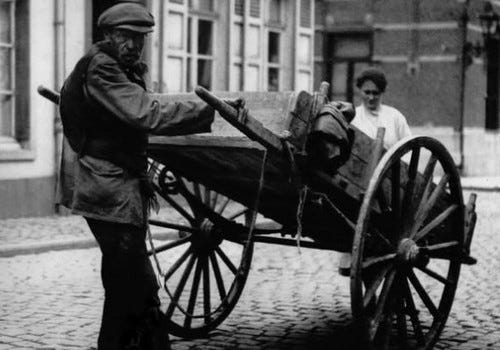
Not long after May 1891, in Halle, a market town southwest of Brussels, a nine-year-old boy read a papal encyclical aloud to his father, writes Richard Pütz. The father could not read or write. He kept a small coal store, first with a handcart and later with a horse-drawn wagon that hauled coal from the station and the canal boats. The boy helped unload the coal, and as soon as he could write, he made out the invoices.
The document was Rerum Novarum, Pope Leo XIII’s letter on workers’ conditions. A man who hauled coal for a living wanted to hear what Rome had to say about men like him.
A few years later, the same boy crept down to the kitchen one night, barefoot and in his nightshirt. His parents expected him to start an apprenticeship. Instead, he asked to stay in school and study for the priesthood. The business was failing, and his father was already exhausted. The father said yes anyway, telling his wife that if they could give a son to God, “we’ll work on a bit more.”
Joseph Cardijn left for the seminary at Mechelen in September 1897.
READ MORE
The prayer that begins with ‘Our’ (Cardijn Reflections)
Join the Centre International Cardijn

Membership form here:
https://centreinternationalcardijn.org/join/
Thanks for reading Centre I