

Friends,
We begin this issue with Claudio Remeseira’s introduction to Pope Leo’s first trip as pontiff to Latin America.
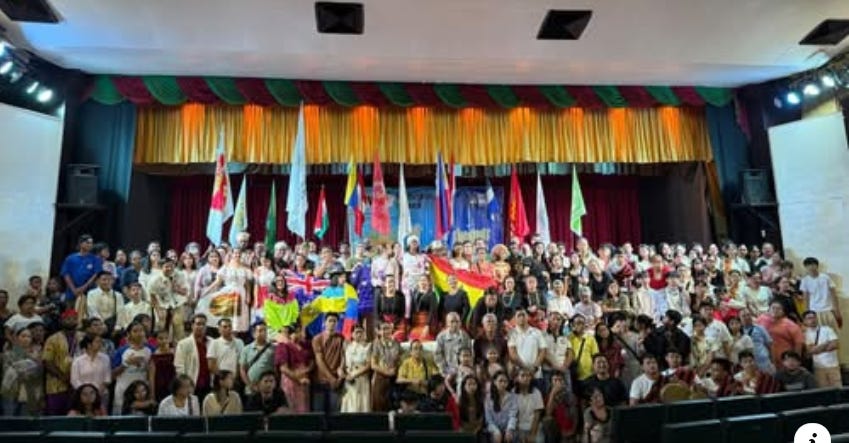
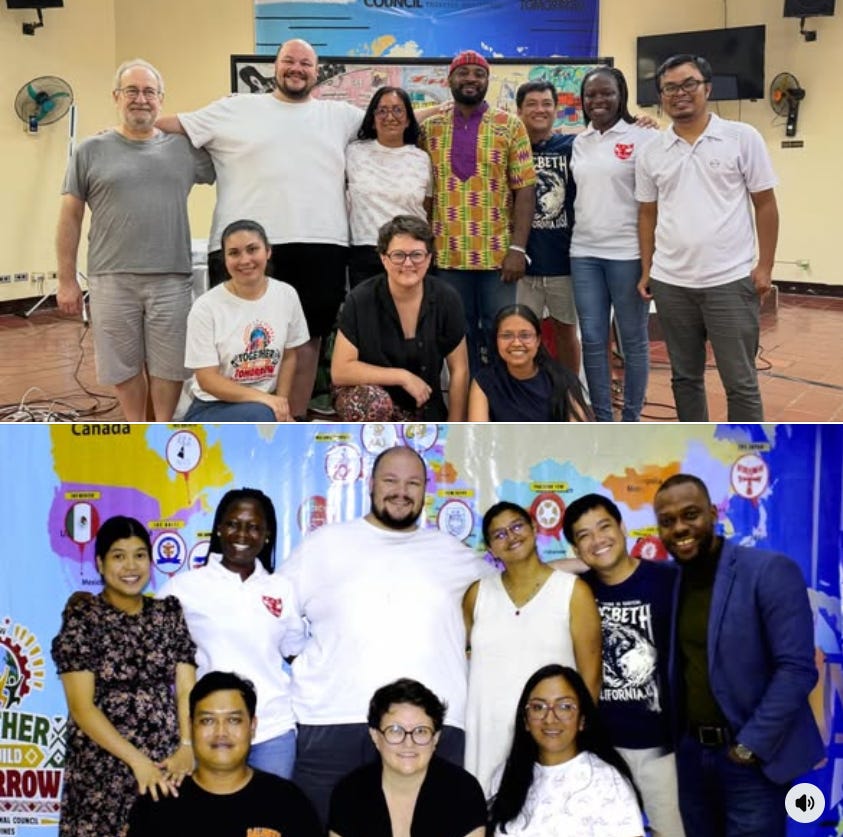
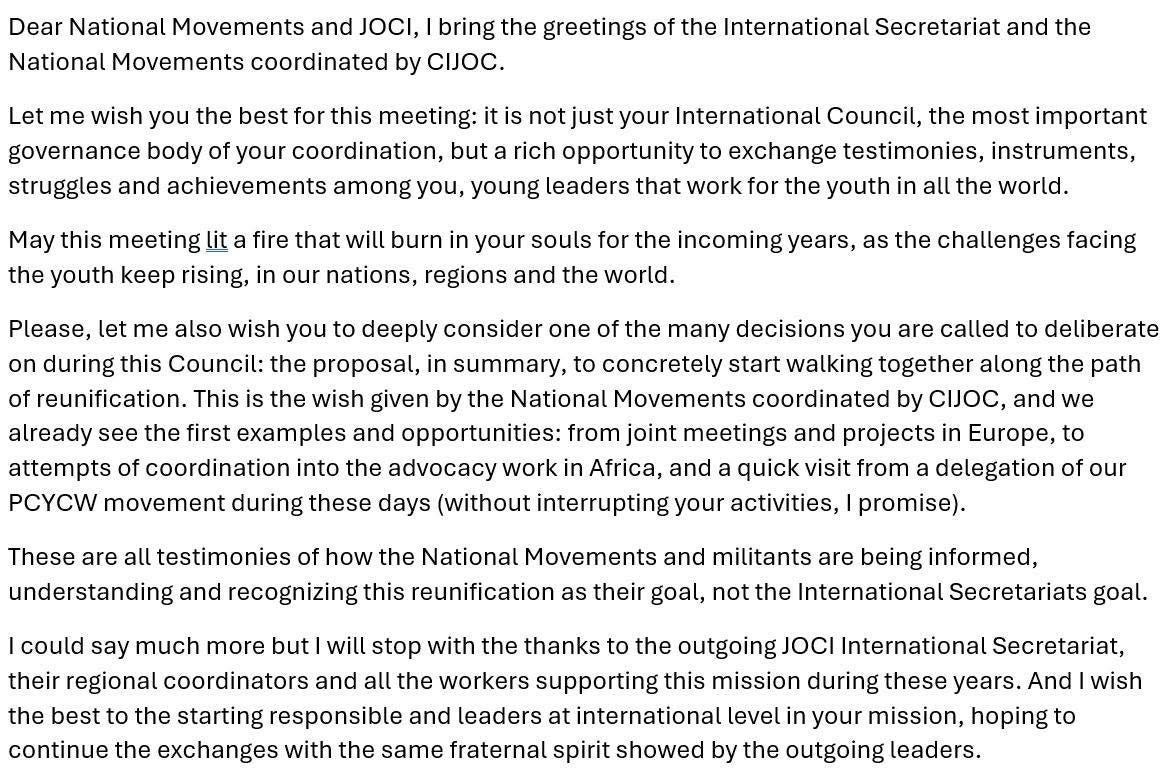
In Manila, the IYCW has elected a new International Team while the International Coordination of the YCW (ICYCW), which separated in 1986, has called for reunification of the two movement.
Todd Walatka explains the influence on Saint Oscar Romero of the see-judge-act method.
On his visit to France, Pope Leo recalled the life of another jocist martyr, Blessed Marcel Callo, while another disciple of Joseph Cardijn, Italian priest Don Luigi Di Liegro is now on the sainthood path.
We remember the life of Mauritian Fr Gerard de Fleuriot, who died last month.
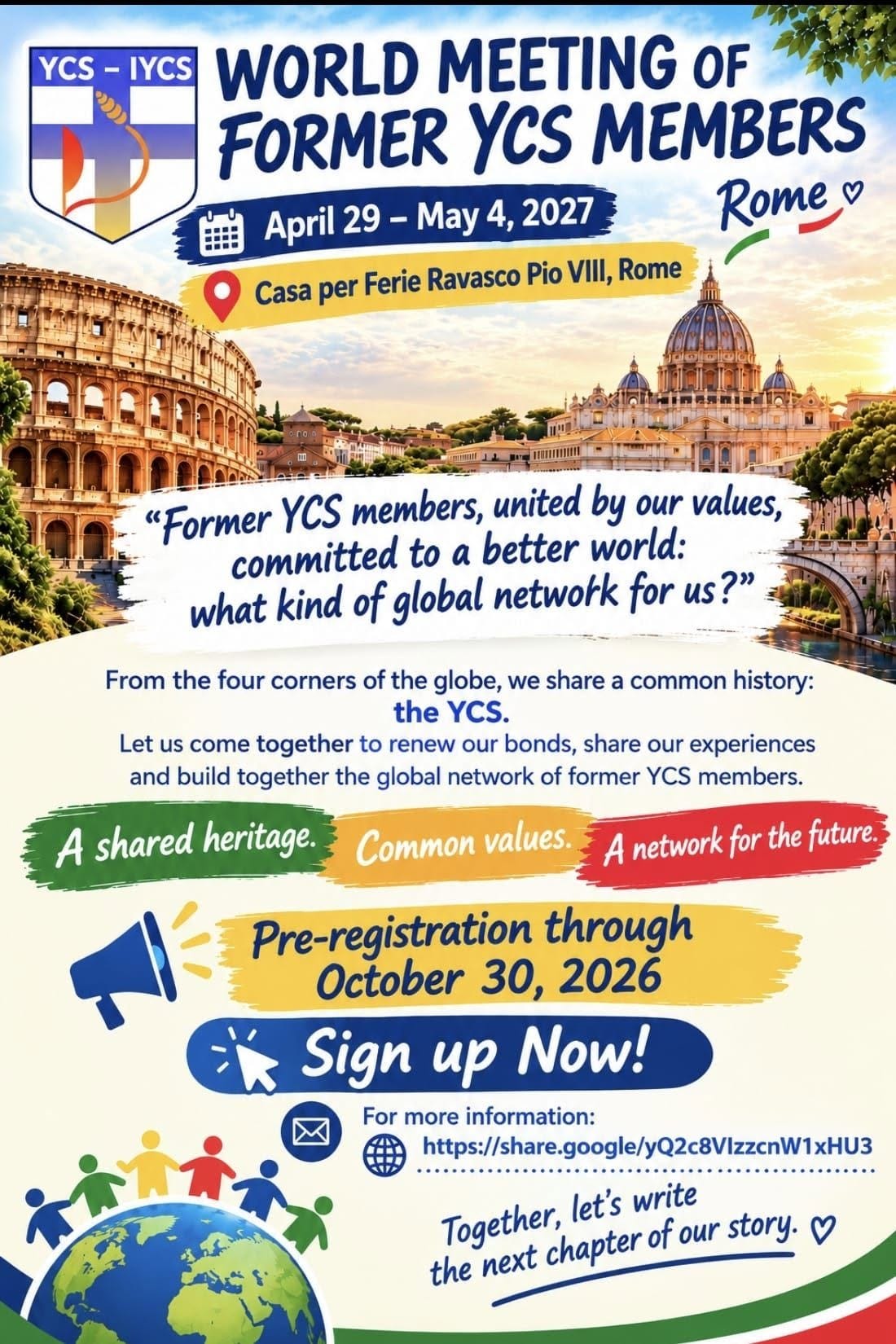
Last but not least, the IYCS has announced that its alumni gathering will take place in Rome in May 2027 together with the Cardijn Pilgrimage to mark the 60th anniversary of the YCW founder’s death in 1967.
The Centre International Cardijn Team
Pope Leo to visit Latin America
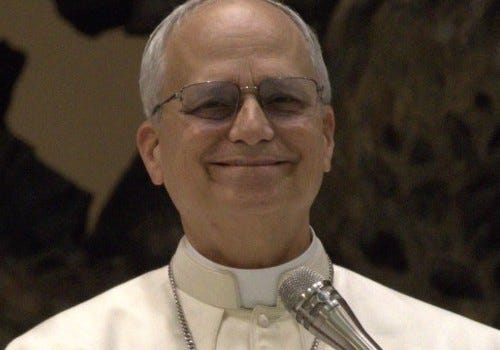
After the alarm and worldwide concern created by the unexpected news of Pope Leo’s lung cancer and the immediate surgery to remove part of the organ affected, the Vatican confirmed that the pontiff’s apostolic visit to Uruguay, Argentina, and Peru — his first visit to Latin America as pope — will proceed as scheduled, writes Claudio Remeseira.
The highlight of this trip, which will extend from November 6 to 17, will be Leo’s return to Peru, the nation in which he spent almost two decades of his life, first as a missionary and seminary director in the 1980s and 1990s and later as bishop of Chiclayo, from 2014 to 2023.
Yet his visit to Argentina will have special significance too, not only because it is the birthplace of his predecessor, Francis, who never went back to it during his papacy, but also because it will provide the rare opportunity to witness the clash between Leo’s championing of the Church’s social teaching, along with his humanist and anti-war message, and Argentina’s current president, Javier Milei, the darling of the international right-wing populist and anti-woke movements, a brash advocate of unbridled markets, unquestioning alignment with Israel and its war against Hamas, and technological accelerationism.
READ MORE
Leo in the land of Francis (Where Peter Is)
“Where Is Your Brother?”
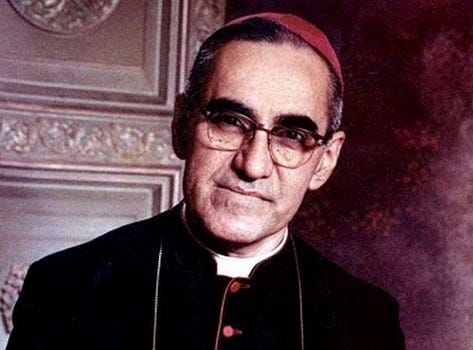
“As a deeply Latin American thinker working in the wake of Medellín, (Saint Oscar Romero) can best be understood in terms of the see-judge-act methodology, with its foundational emphasis on the challenge of perceiving the truth of reality,” writes Todd Walatka at Catholic Moral Theology.
It is clear—as it was in Romero’s time—that we live in a time that demands action. All around, human rights are violated, migrants are demonized, fear is stoked. We need resistance to repression, concrete works of mercy, participation in the struggle for justice, and laws that move toward a just peace.
As Romero says, appealing to Gaudium et Spes §43, one of the great errors of our time is the idea that “the Church should keep to the sacristy and not get involved in proclaiming the demands of justice and defending the human rights of all” (Homily from November 12, 1978). Romero is clear that a “committed” [comprometida] Church, a community actively involved in the struggle [la lucha] is the sign of true fidelity.
READ MORE
“Where Is Your Brother?” (Catholic Moral Theology)
Leo remembers Marcel Callo
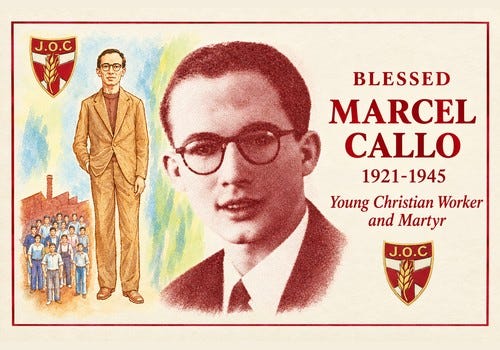
Addressing 80,000 young people gathered at the Stade de France in Paris, Pope Leo cited Blessed Marcel Callo, a martyred French jocist leader, as an example of those who choose the path of virtue and holiness.
“Those who live with God strive for what is best,” Pope Leo said. “They are constantly growing.”
“And how many sons and daughters of this beloved land of France have allowed themselves to be led along this path!” Pope Leo continued. “Consider, for example, Blessed Marcel Callo, a young Frenchman, a boy scout and worker, who in the darkness of the concentration camp never ceased to strive toward the good, maintaining his interior freedom.”
READ MORE
Don Luigi Di Liegro on sainthood path
Pope Leo has announced that he has approved the launch of a diocesan inquiry into the life and holiness of Don Luigi Di Liegro, a Roman priest influenced by Cardijn and the YCW, who was dedicated to workers and the poor.
Born in Gaeta on 16 October 1928, Don Luigi was the eighth child of a fisherman who had emigrated several times to the United States but was eventually expelled.
In 1958, he left for France and Belgium where he visited mines. While in Belgium, he also took part in a YCW national training program of the YCW, where he met Cardijn in what became a decisive experience.
READ MORE
Don Luigi Di Liegro on sainthood path
A missionary experience in Malaysia
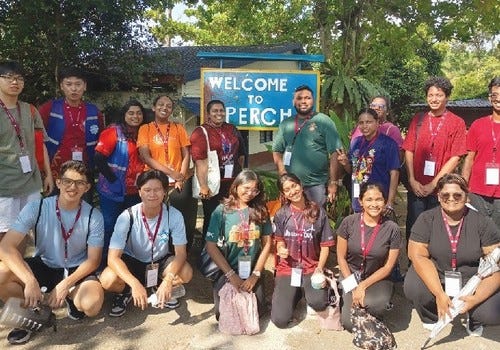
What began as a four-day missionary camp became an invitation for young adults to see people differently — not as refugees, migrants, the sick or the marginalised, but as brothers and sisters bearing the dignity and presence of Christ.
Organised by Caritas Penang in collaboration with the Islanders Tamil Youth Network (ITYN), the three-night programme brought young adults to Batu Arang, Gombak, to encounter refugees and people living with HIV/AIDS. Rather than simply exposing participants to unfamiliar realities, the camp taught them to reflect and respond through the See–Judge–Act method.
Using Three Days at Perch, a handbook published by Kumpulan A.C.T.S., Jesuit priest Fr Paul Dass, SJ guided participants through Catholic Social Teaching and the Pastoral Spiral. Gospel meditation, personal prayer and open conversations also helped them connect what they were learning with their own faith and experiences.
READ MORE
YOUM.A.D 3.0: A missionary experience at Batu Arang (Herald Malaysia)
Remembering Fr Gerard de Fleuriot
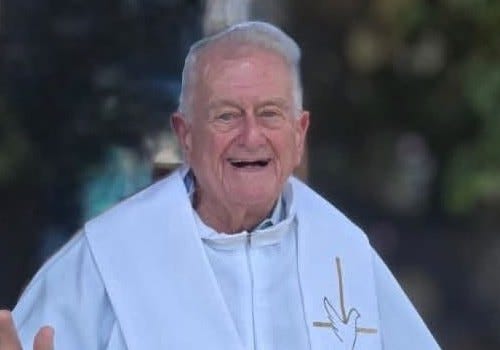
On Wednesday, September 16, 2026, the Lord called Father Gérard de Fleuriot to Himself at the age of 92, the Diocese of Port Louis, Mauritius reports. Father de Fleuriot passed away peacefully in a clinic after a long illness.
Born on 1 May, 1934, in Saint-Pierre, Gérard de Fleuriot was ordained a priest on 24 February, 1958, in Croix-Valmer, France. During his 68 years of priesthood, he served in several parishes, notably in Beau-Bassin and Curepipe.
He also continued his pastoral mission in South Africa for over fifteen years during the apartheid era, where he was chaplain to the Young Christian Workers and responsible for vocations ministry. Upon returning to Mauritius, he served as parish priest in Vacoas and later as vocations director.
READ MORE
Remembering Fr Gerard de Fleuriot
Don Luigi Di Liegro on sainthood path
Pope Leo has announced that he has approved the launch of a diocesan inquiry into the life and holiness of Don Luigi Di Liegro, a Roman priest influenced by Cardijn and the YCW, who was dedicated to workers and the poor.
Born in Gaeta on 16 October 1928, Don Luigi was the eighth child of a fisherman who had emigrated several times to the United States but was eventually expelled.
In 1958, he left for France and Belgium where he visited mines. While in Belgium, he also took part in a YCW national training program of the YCW, where he met Cardijn in what became a decisive experience.
READ MORE
Don Luigi Di Liegro on sainthood path
International YCW celebrates World Council in Manila

ICYCW calls for reunification with IYCW

IYCS joins Cardijn Pilgrimage to Rome in May 2027
MORE DETAILS ABOUT THE PILGRIMAGE
https://rome2027.josephcardijn.com/
Join the Centre International Cardijn

Membership form here:
Thank you for dedicating this issue to renewing dialogue among the YCW movements. It raises an important question: can we put Cardijn’s See–Judge–Act method back at the heart of our shared journey?
Rather than beginning from fixed "political" positions or old institutional divisions, let’s ground ourselves in the real experiences of workers, young people, families, and those on the margins. We are called to see their situations clearly, judge them with the guidance of the Gospel and Catholic social teaching, and work together to uphold human dignity.
The stories of Romero and the young adults in Malaysia in this issue show us this path: facing reality directly, reflecting with faith, and responding with bold, practical commitments.
This is not about avoiding politics or ignoring injustice. Instead, it means we should not let partisan loyalties or internal rivalries guide our decisions. Let the method shape our political choices, not the other way around.
The best way to unity may not be through formal agreements between organizations, but through a shared and renewed commitment to living out See–Judge–Act together. We do not have to agree on every political issue to listen to each other, face reality honestly, and move forward with a common purpose.
The real question is, “Are we helping people see clearly, discern faithfully, and act responsibly?” That would truly honor Cardijn’s legacy.
Why this framing works
It makes clear that Cardijn’s method doesn't mean stepping back from public life, which matters since the newsletter’s Romero section links faith to defending human rights and seeking justice. Instead, your response questions whether it replaces real discernment with factional loyalty. It also sees reunification as a chance for shared practice, without blaming anyone for past divisions.